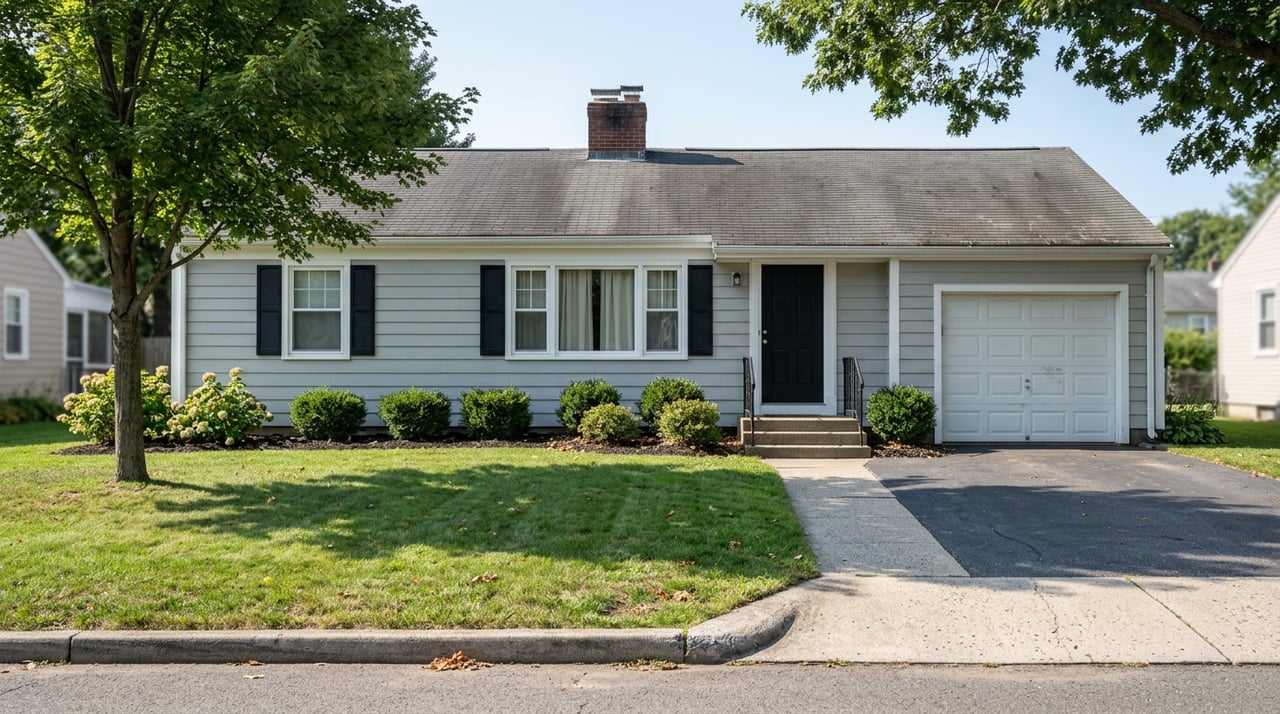
If you are thinking about buying a single-family home in Westwood, you are looking at one of Greater Boston’s more competitive suburban markets. Homes here tend to move quickly, prices often land at or above asking, and inventory stays tight because much of the town is already developed. The good news is that with the right expectations and a smart plan, you can shop with more confidence and make stronger decisions. Let’s dive in.
Why Westwood draws buyers
Westwood is an established suburb about 12 miles southwest of Boston, and its location plays a big role in demand. The town is served by two commuter rail lines and MBTA bus routes, which supports interest from buyers who want suburban single-family living with regional access.
The housing mix also shapes buyer demand. Town planning materials show that nearly three-quarters of the housing stock is single-family, while mid-density options remain limited. That means detached homes are a major part of the local market, but it also means supply is naturally constrained.
What the market looks like now
Westwood is best understood as a premium suburban market, not an entry-level single-family market. Recent pricing data places the market in the low-to-mid seven figures, which is consistent with a town where demand remains strong and available homes are relatively limited.
In April 2026, Redfin reported a median sale price of $1,145,409, median days on market of 18, and a sale-to-list ratio of 103.9%. Realtor.com’s March 2026 snapshot showed a median listing price of $1,324,500, 29 homes for sale, 22 median days on market, and a 102% sale-to-list ratio. The Warren Group’s December 2025 town report showed a year-to-date median single-family sale price of $1,232,500, up 2.7% year over year.
Different platforms may label the market differently, with Redfin calling Westwood very competitive and Realtor.com describing it as balanced. Still, both sources point to the same practical takeaway: homes are selling quickly and often at or above asking price. If you are buying here, you should expect real competition.
What kinds of homes you will find
Westwood’s single-family housing reflects decades of suburban development. The town’s 2020 comprehensive plan noted that 78.4% of dwellings were single-family, and the local housing story includes older homes, postwar development, and newer replacement construction.
You will commonly see colonials, Cape Cods, ranches, and split-level homes in Westwood. You should also expect a mix of updated properties, original-condition homes, and larger teardown-rebuild homes, especially in areas where buyers have sought more square footage and newer finishes.
That variety matters when you tour homes. Two houses at similar price points can offer very different value depending on age, layout, condition, and renovation level. In Westwood, comparing homes on style alone is not enough.
What lot sizes can look like
Lot size is a major part of the single-family equation in Westwood. The town’s zoning bylaw sets minimum lot areas that vary by district, including 12,000 square feet in SRA and GR, 15,000 in SRD, 20,000 in SRB, 40,000 in SRC, and 80,000 in SRE and SR.
There are some exceptions through clustered OSRD development, where detached single-family lots can be as small as 10,000 square feet. For buyers, the main point is simple: lot sizes can vary meaningfully depending on where in town you are looking and what zoning applies to the property.
If outdoor space is important to you, it helps to look beyond the listing photos. A home may feel spacious inside but sit on a smaller lot than you expected, while another may offer more land but need updates. In Westwood, trade-offs between house size, lot size, and condition are common.
Why inventory stays tight
One reason Westwood stays competitive is that there is limited room for large-scale new development. The town’s 2025 housing draft says roughly 80% of Westwood’s land area is already developed or conserved, and most subdividable parcels have already been used.
From January 2019 through November 2024, the town saw 69 single-family demolitions and replacements and 84 new single-family homes constructed. That suggests much of the newer inventory comes from replacement building rather than major new subdivisions.
For you as a buyer, this means waiting for a big wave of brand-new inventory is probably not realistic. Newer homes do come on the market, but they are often the result of teardown and rebuild activity, not broad expansion of housing supply.
How fast you need to move
Speed matters in Westwood. Redfin reports that many homes receive multiple offers, some with waived contingencies, and that hot homes can sell about 8% above list and go pending in around 11 days.
Even when a listing stays active a little longer, the overall pace is still quick. With median days on market in the high teens to low twenties across recent snapshots, buyers often have a short window to evaluate a home, run numbers, and decide whether to make an offer.
That does not mean you should rush blindly. It means you should do your preparation before the right home hits the market so you can act decisively when it does.
How to prepare before touring
A strong buying strategy in Westwood starts before your first showing. Because the market moves quickly, preparation gives you a real advantage.
Here are a few smart steps to take early:
- Get fully pre-approved before touring homes.
- Set a realistic budget based on current sale prices, not just list prices.
- Decide which features are must-haves and which are flexible.
- Talk through your comfort level with inspection and appraisal terms before you are in a multiple-offer situation.
- Be ready to review homes quickly when a strong listing appears.
This kind of prep helps you avoid making emotional decisions under pressure. It also makes your offer process smoother if you find the right fit.
How to think about offer strategy
In Westwood, offer strategy is not just about price. It is also about risk, timing, and how the home’s condition fits your goals.
For example, an older home with visible deferred maintenance may call for a different approach than a recently rebuilt property. The town’s supply pattern shows that many newer homes are replacement builds, so the age and condition of the property should play a big role in how aggressive you choose to be.
You should also think ahead about contingencies. In competitive situations, some buyers may choose to make their terms more attractive, but the right approach depends on your financing, your risk tolerance, and the specific property. A smart strategy is one that helps you compete without losing sight of your long-term comfort level.
Comparing Westwood with nearby suburbs
Westwood often comes up in the same search as nearby high-demand suburbs, but its price point sits in a distinct middle ground. Based on recent Redfin snapshots, Dedham posted a median sale price around $779,597, Newton around $1,606,670, Needham around $1,849,045, and Dover around $2,123,903.
That places Westwood’s recent sale range of roughly $1.15 million to $1.23 million above Dedham, below Needham and Dover, and slightly below Newton on current median sale price. This makes Westwood more attainable than some nearby premium suburbs, but it is still clearly a high-demand detached-home market.
For many buyers, that creates a familiar set of trade-offs. You may be balancing budget, lot size, home age, renovation level, and commute preferences across several towns. Westwood often stands out when you want a premium suburban setting but are still trying to stay below the pricing seen in some neighboring markets.
What buyers should keep in mind
Buying in Westwood usually comes down to clarity and discipline. You are shopping in a market where supply is limited, competition is common, and pricing reflects both demand and location.
That means it helps to focus on the factors that matter most to you:
- Your true budget range in a market where homes may sell above asking
- The home style that fits your needs, such as colonial, Cape, ranch, or split-level
- Whether you prefer a move-in-ready home or are open to updates
- How much lot size matters compared with interior space and condition
- How quickly you can make a confident decision when the right home appears
If you understand those priorities early, you will be in a much better position to evaluate listings and avoid second-guessing your choices.
Bottom line on buying in Westwood
Westwood offers a classic suburban single-family market with strong demand, limited supply, and a housing stock shaped by both older neighborhoods and newer replacement homes. It is not a bargain market, but for many buyers it offers a compelling position between lower-priced and higher-priced nearby suburbs.
If you are planning a move here, the most important step is to enter the market with a clear budget, a realistic sense of competition, and a plan for how you will act when the right property appears. With the right guidance, you can move quickly without feeling rushed and compete intelligently in a market that rewards preparation.
If you want help understanding Westwood inventory, comparing nearby towns, or building a smart offer strategy, connect with Edward Gaeta for local, practical guidance tailored to your move.
FAQs
What is the price range for a single-family home in Westwood, MA?
- Recent market snapshots place Westwood single-family pricing in the low-to-mid seven figures, with reported median figures ranging from about $1.15 million to $1.23 million, and median listing price reported at $1,324,500.
How competitive is the single-family market in Westwood, MA?
- Westwood is a competitive market where homes often sell at or above asking price, median days on market have recently ranged from 18 to 22 days, and some hot homes can go pending in around 11 days.
What types of single-family homes are common in Westwood, MA?
- Buyers in Westwood commonly find colonials, Cape Cods, ranches, and split-level homes, along with renovated properties and newer teardown-rebuild homes.
Are there many new single-family homes in Westwood, MA?
- Most newer supply in Westwood appears to come from demolition and replacement projects rather than large new subdivisions, since much of the town is already developed or conserved.
How does Westwood compare with nearby suburbs for single-family home prices?
- Westwood generally sits above Dedham on recent median sale price but below Needham and Dover, and slightly below Newton, making it a premium market that can still be more attainable than some nearby suburbs.
