If you are thinking about buying a multi-family property in Newton, you are probably asking the right question first: does the numbers-driven opportunity still exist in a high-cost suburb like this? The short answer is yes, but it usually looks different than it does in lower-cost markets. In Newton, the best opportunities often come from older small buildings, careful renovation plans, and a clear understanding of local rules. Let’s dive in.
Why Newton Draws Multi-Family Investors
Newton stands out because demand is durable, supply is limited, and much of the housing stock is older. In June 2025, the city reported 33,685 housing units, including 23,243 ownership units and 10,442 rental units, according to the City of Newton housing data.
That matters if you are evaluating long-term rental demand. A market with constrained housing supply and a meaningful renter base can support buy-and-hold investing, especially when you are targeting properties that can be improved over time.
Newton’s Multi-Family Inventory
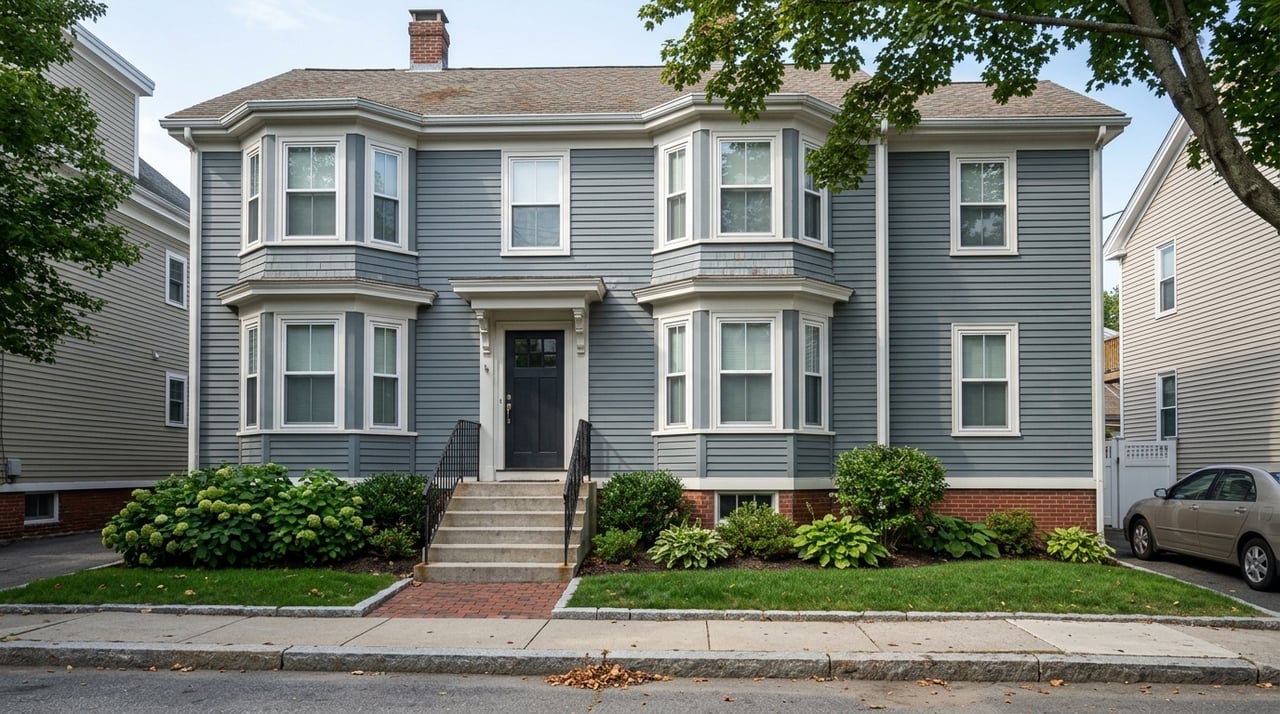
Newton is not primarily a market of large apartment towers. Instead, much of the investable inventory is made up of smaller buildings and older homes with conversion potential.
According to the city’s housing snapshot, Newton includes 5,386 two-family units, 819 three-family units, 4,328 apartment units, and 102 accessory apartments. Together, those categories make up about 32.2% of the housing units in that snapshot, based on Newton housing inventory data.
For small investors, that is an important detail. The market often favors 2-family and 3-family properties, owner-occupied house hacks, and older properties where a legal added unit or thoughtful renovation can improve value.
Smaller Units Shape the Market
Newton’s apartment stock also tends to be smaller in size. In the city’s 2020 snapshot, 46% of apartment units were two-bedroom and 42% were one-bedroom, while only 7% were three-bedroom and 1% were four-bedroom, according to the same city housing snapshot.
That unit mix can shape your strategy. If you are buying for rental income, it may make sense to focus on layouts that appeal to the strongest existing demand instead of assuming a larger-unit strategy will always perform better.
Older Buildings Create Value-Add Potential
One of the biggest reasons investors look at Newton is the age of the housing stock. About 77% of residential structures were built before 1960, about 90% before 1970, and more than half before 1930, based on Newton climate and housing data.
Older properties can bring more maintenance and compliance issues, but they also create room for improvement. In Newton, many value-add opportunities are less about teardown or large-scale new construction and more about upgrading kitchens and baths, improving layouts, replacing systems, adding insulation, and evaluating heat-pump conversions.
Why Renovation Often Beats Ground-Up
Newton’s long-term housing growth is expected to come mainly from larger multi-unit development, and the city has also noted that about 100 homes are torn down annually while new homes average 4,048 square feet, according to that same Newton housing and climate report.
For most small investors, that means the cleaner path is often buying existing housing stock and improving it. In practice, the strongest plays are usually execution-heavy rather than speculative.
What Rents Look Like in Newton
Rent levels are one reason Newton continues to attract investor attention. As of March 10, 2026, Zillow listed average rent in Newton at $3,400, with 1-bedroom units at $2,425, 2-bedroom units at $2,809, and 3-bedroom units at $4,000, according to Zillow’s Newton rental market trends.
You should still treat rent data carefully, because pricing can vary depending on methodology and unit type. Even so, the broader takeaway is clear: Newton can support strong rents, but that does not mean every acquisition works on paper.
Tight Supply Still Matters
Market conditions have remained relatively tight, even if they are not as extreme as the peak shortage period a few years ago. For investors, that suggests Newton may still offer solid leasing conditions, but your underwriting should leave room for normal market shifts rather than assuming rent growth will do all the work.
Best Property Types for Investors
If you are looking for realistic entry points, a few categories stand out more than others.
Two- to Four-Unit Properties
Existing 2- to 4-unit buildings often offer the clearest buy-and-hold path. These properties fit Newton’s existing housing pattern and can work well for investors who want stable rental income with the option to improve units over time.
House-Hack Opportunities
Owner-occupied multi-family properties can be especially appealing if you want to lower your housing cost while building equity. In a high-cost market like Newton, this can be one of the more practical ways to get started in investing.
Homes With ADU Potential
Older homes with room for an accessory dwelling unit can also be worth a closer look. Newton allows many internal and detached ADUs by right, and detached ADUs can be up to 1,000 square feet or 50% of the principal dwelling, whichever is less, with some larger units allowed by special permit, according to the city’s ADU ordinance summary.
Historic carriage houses may also qualify for by-right conversion if they meet the city’s standards for historical significance. If you are house hacking or building long-term rental income, that can create a useful extra layer of flexibility.
Zoning and Regulatory Issues to Watch
In Newton, buying the right property is only half the job. The other half is knowing what you can actually do with it.
MBTA Communities and Village Center Overlay
Newton is fully compliant with the MBTA Communities law as of March 2025 after adopting the Village Center Overlay District framework. Under state rules, MBTA communities must provide at least one district where multifamily housing is permitted by right near transit.
Newton’s overlay includes VC1, VC2, VC3, and MRT districts. The city says the MRT district is intended to support small-scale multifamily buildings and conversion of existing homes, while the overlay more broadly supports by-right multifamily near transit with height caps generally ranging from about 2.5 to 4.5 stories, according to the city’s Village Centers zoning page.
For investors, that means location matters beyond the usual rent and price analysis. A property near the right zoning overlay may create more flexibility for future use or expansion.
ADU Rules Matter
Newton’s ADU policy is investor-relevant, but it comes with limits. The city allows one ADU per lot, does not allow separate sale from the principal unit, prohibits short-term rental use, and requires a 30-day minimum rental term, based on the city’s ADU rules.
Those details can directly affect your pro forma. If your strategy depends on short-term rental income or condo-style separation, Newton’s rules make that a poor fit.
Inclusionary Zoning and Historic Review
If you are considering larger redevelopment or substantial value-add work, review the city’s inclusionary zoning requirements early. Affordable housing obligations can affect project feasibility and should be part of your initial underwriting.
You should also watch for historic restrictions. Newton notes that some properties are subject to preservation restrictions and review by the Newton Historical Commission and preservation program, which can limit exterior changes or add another layer of approval.
Compliance Costs Can Change the Deal
Newton’s older housing stock can create opportunity, but it can also raise operating costs and renovation risk.
Lead Paint Requirements
For pre-1978 rental housing, Massachusetts lead law is a major issue. The state requires lead-law notification, and if a child under six will live in the unit, the landlord must delead or place the unit under interim control, according to Massachusetts tenant and lead-law guidance.
This is one of those items that should be reviewed before closing, not after. Lead compliance costs can materially affect your renovation budget and timeline.
Energy Rules for Larger Assets
Owners of larger apartment properties should also understand Newton’s Building Emissions Reduction and Disclosure Ordinance. The city says the policy is aimed at net-zero emissions by 2050, and covered owners were notified in March 2025.
If you are evaluating a larger building, energy reporting and future reduction requirements may influence both capex planning and long-term operating strategy.
How to Underwrite Newton Deals
Because Newton is expensive and regulation-heavy, conservative underwriting matters. You are usually not buying for easy cash flow on day one. More often, you are buying for strong location, durable demand, and the ability to create value through better management or renovation.
A few practical questions can help:
- Is the property a legal 2- to 4-unit, or does it depend on future approvals?
- How old are the roof, electrical, plumbing, and heating systems?
- Does zoning support your intended use?
- Is there ADU or conversion potential under current rules?
- Could historic review affect your renovation scope?
- Are lead paint or energy compliance costs likely to change the budget?
- Do current rents support the acquisition price after realistic expenses and vacancy assumptions?
In Newton, small mistakes in due diligence can get expensive fast. A disciplined approach usually matters more here than in a lower-priced market.
The Bottom Line on Newton Multi-Family Investing
Newton can be a strong market for buy-and-hold investors, house hackers, and buyers looking for older properties with renovation upside. The appeal is clear: high rents, durable housing demand, and a supply-constrained market with many small-scale buildings.
At the same time, this is not a simple market. Zoning overlays, ADU rules, historic review, lead compliance, and energy requirements all raise the importance of careful planning. The investors who do best in Newton are usually the ones who buy with a clear strategy, underwrite conservatively, and know how to navigate older housing stock.
If you want help evaluating a Newton multi-family purchase, planning a house-hack, or comparing an on-market deal with off-market options, Edward Gaeta can help you assess the opportunity with a practical, local perspective.
FAQs
What types of multi-family properties are most common in Newton, MA?
- Newton’s investable multi-family stock is largely made up of 2-family and 3-family properties, smaller apartment buildings, and some homes with ADU potential.
Are Newton, MA rents strong enough for buy-and-hold investing?
- Newton rents are relatively strong, with Zillow showing average rent at $3,400 as of March 10, 2026, but each deal still needs careful underwriting.
Can you add an ADU to a property in Newton, MA?
- Newton allows many internal and detached ADUs by right, but there are limits on size, rental use, and separate sale, so you should review the city rules before you buy.
Does zoning affect multi-family investing in Newton, MA?
- Yes. The Village Center Overlay District and related zoning rules can affect where multifamily use, home conversions, and future expansion are allowed.
What compliance issues matter most for older Newton, MA rental properties?
- Lead paint rules, possible historic review, and in some cases building emissions requirements can all affect renovation scope, timing, and cost.
Is Newton, MA a good market for house hacking?
- Newton can be a strong house-hack market for buyers who can afford the entry price and want to offset housing costs with rental income from a small multi-family or ADU setup.
