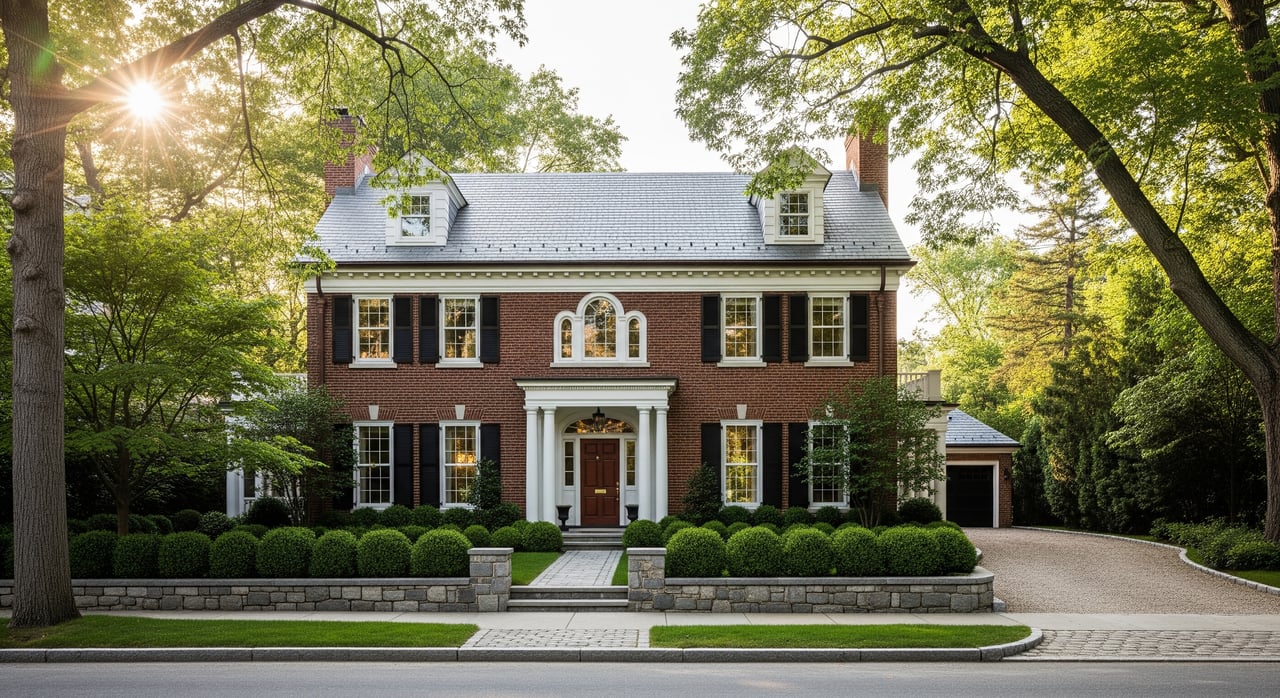
Thinking about moving to Newton, MA? You are not alone. Many buyers are drawn to its village feel, strong services, and easy access to Boston. The trade-offs are real too, from higher housing costs to varied walkability by neighborhood. In this guide, you will get a clear, practical look at daily life, housing, schools, commutes, parks, and what it means to live in this suburban city. Let’s dive in.
Newton at a glance
Newton sits in Middlesex County and has about 88,000 residents, according to the 2020 U.S. Census. You get the amenities of a full-service city with the comfort of established neighborhoods. Think local shops and transit near village centers, plus tree-lined streets and yards nearby. It is a blend that appeals to many who want suburban living close to Boston.
The city is organized around 13 historic villages, including Newton Centre, Newton Highlands, Waban, Nonantum, Newtonville, Auburndale, Chestnut Hill, Lower Falls, Upper Falls, West Newton, and others. Each has its own main street and feel. For services, programs, and city resources, start with the City of Newton. For population and commute data, see U.S. Census QuickFacts for Newton.
Village living and daily life
Daily life revolves around village centers. You will find cafes, small grocers, fitness studios, and community services in places like Newton Centre, Newtonville, and West Newton. Many errands can be handled within a short trip, often without needing to drive far.
Walkability varies by village and street. Some areas are very pedestrian friendly near Green Line stops and main streets. More residential sections are car dependent. For a snapshot of how this changes across the city, review Walk Score’s overview of Newton.
Parking looks different by village. Expect metered or time-limited parking in busier areas and residential permit zones in some neighborhoods. Winters bring snow removal and commute planning into the weekly routine. Summer and fall are great for outdoor time at local parks, ponds, and Charles River paths.
Housing and what your budget buys
Newton’s housing skews toward single-family homes, along with condos, townhouses, and small apartment buildings. Architecture ranges from late-19th-century Victorians and early-20th-century Colonials to Tudor, Craftsman, mid-century homes, and newer infill condos. Historic districts and preservation are part of the local fabric, which can influence renovation decisions.
Prices are higher than many Boston-area suburbs, reflecting demand and limited land. Costs vary by village, square footage, lot size, and proximity to transit and local schools. Smaller condos and townhomes near transit can be the more affordable entry point. Detached homes, especially around Newton Centre, Waban, and Chestnut Hill, often command premium pricing.
Many buyers purchase older homes and plan for updates. If you are considering an addition or major renovation, expect to review local zoning and preservation requirements. The City of Newton website is the best starting point for building, planning, and permit information.
Here are practical tips when you begin your search:
- Define must-haves by village. A few blocks can change walkability and commute options.
- If you value transit, explore Green Line D-branch villages and commuter rail access points first.
- Budget for ownership costs like property taxes, utilities, and seasonal services such as snow removal and landscaping.
- For older homes, plan for inspection-driven repairs, energy updates, and future maintenance.
Schools and family resources
Newton Public Schools operate multiple elementary and middle schools and two traditional public high schools, Newton North and Newton South. The district offers a wide range of programs, extracurriculars, and community partnerships. For enrollment, assignment policies, and program details, go to the Newton Public Schools. For district and school-level profiles, visit the Massachusetts Department of Elementary and Secondary Education.
You will also find private and parochial options in and near Newton. If a specific program matters to you, start the research early. Popular preschools and childcare centers can have waitlists. The city and local organizations provide resources for families, so check the City of Newton for current offerings.
Getting around
Transit access is a core strength. The MBTA Green Line D branch serves several Newton villages and connects to central Boston. You also have commuter rail and bus routes that link Newton to Boston and neighboring suburbs. For route maps and schedules, see the MBTA.
Driving times vary by time of day. Reaching downtown Boston can take about 20 to 40 minutes, with longer ranges during peak congestion. According to the U.S. Census, Newton’s median travel time to work is around 30 minutes, reflecting a mix of drivers and transit riders. You can review commute metrics on U.S. Census QuickFacts.
Practical tips for commuting:
- Consider walking distance to a Green Line stop when choosing a village.
- Check bus frequency and commuter rail schedules for your typical travel time.
- If you park-and-ride, confirm local parking policies and availability near stations.
- Monitor MBTA service advisories to plan around delays or schedule changes.
Parks, ponds, and the Charles River
Outdoor space is a highlight in Newton. You will find conservation land, trails, and parks across the city, plus access to the Charles River for paddling and paths. Explore area guides and stewardship updates through the Newton Conservators. Neighborhood favorites include Nahanton Park, Crystal Lake, and Hemlock Gorge Reservation at Echo Bridge.
The city maintains playgrounds, athletic fields, community centers, and public pools. Many families take part in youth sports through municipal programs. For permits, classes, and seasonal activities, check the City of Newton.
Healthcare and civic services
Newton-Wellesley Hospital is a major community hospital affiliated with Mass General Brigham, providing a wide range of services for residents of all ages. Learn more about care and specialties at Newton-Wellesley Hospital.
You also have strong civic amenities, including the Newton Free Library system, cultural programming, and volunteer opportunities across boards and commissions. City departments for public works, recreation, and public safety are easy to reach through the City of Newton.
Zoning, growth, and affordability
Like many inner suburbs, Newton balances preservation with the need for more housing near transit. A key state policy, the MBTA Communities law, asks cities and towns with MBTA service to zone for multi-family housing near transit hubs. You can read the state’s implementation guidance on Mass.gov.
In Newton, this work shows up in zoning reviews, community meetings, and proposed projects near transit corridors. If you are planning a move, it helps to track local planning updates. They can affect future inventory and neighborhood change over time.
Is Newton a fit? Key trade-offs
Every move has pros and trade-offs. Use this quick list to weigh your fit:
Pros
- Village centers with shops, dining, and services close to home
- Multiple transit options toward Boston and regional hubs
- Established neighborhoods, mature trees, and strong parks access
- Wide program offerings through Newton Public Schools
Trade-offs
- Higher housing costs and competition for updated single-family homes
- Walkability varies by village and street
- Winter weather adds seasonal maintenance and commute planning
- Renovations may involve zoning reviews and historic considerations
How Edward Gaeta helps
When you are ready to explore Newton, you deserve clear guidance and options. As a full-service broker in Greater Boston, I can help you compare villages, analyze commute trade-offs, and target homes that match your budget and goals. If you need to sell, you can list on the MLS for maximum exposure or request a fast, as-is cash offer when timing and certainty matter most.
If you want a local strategy for your move, reach out to Edward Gaeta. Let’s review your goals, map the villages that fit your lifestyle, and choose the best path forward.
FAQs
Is Newton, MA commutable to downtown Boston?
- Yes. The MBTA Green Line D branch, select commuter rail and bus routes, and highway access make daily commutes common, with timing shaped by your village and schedule.
How walkable is Newton across different villages?
- Walkability varies. Newton Centre, West Newton, and Newtonville tend to be more pedestrian oriented near shops and stations, while many residential areas are car dependent.
What should new families know about Newton schools?
- Newton Public Schools offer elementary, middle, and two high schools with a range of programs. Check enrollment, assignment, and timelines on the district site.
What housing types will I find in Newton?
- Mostly single-family homes, with condos, townhouses, and apartments near transit nodes. Many properties are older and may require updates or renovation.
How much should I expect to budget for ownership costs?
- Ownership costs reflect higher home values, which drive property tax bills. Budget for utilities, maintenance, and seasonal services like snow removal and landscaping.
What are the main outdoor and recreation options in Newton?
- You will find parks, trails, and water access at places like Crystal Lake, Nahanton Park, and Charles River paths, plus city-run programs for all ages.
