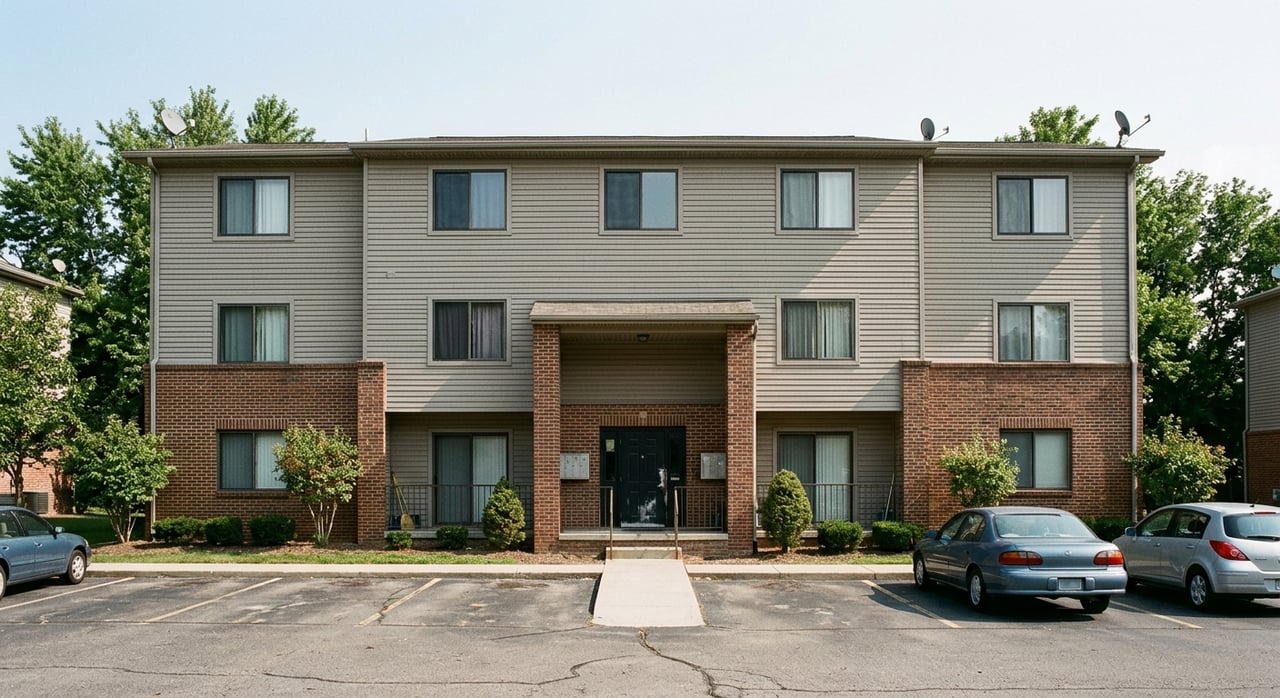
Selling a multi-family property in Needham can feel more complicated than selling a typical house. You are not just selling square footage and location. You are also selling rental income, lease terms, tenant arrangements, and in some cases future zoning potential. If you want to make smart decisions before you list, this guide will help you understand what buyers look for, what affects pricing, and how to choose the selling path that fits your goals. Let’s dive in.
Know What Needham Buyers See
Needham is a high-value market with tight housing supply, and that shapes how buyers look at multi-family properties. The town reported an average single-family value of $1,464,398 for FY2025, describing it as part of a very strong residential market. A Massachusetts Association of Realtors update for February 2026 also showed Needham single-family inventory at 1.8 months of supply and a median sales price of $2,075,000.
That matters because buyers do not all evaluate a multi-family property the same way. Some will focus on income and expenses like an investment. Others may want to live in one unit and use rental income to help offset housing costs.
Needham’s housing plan also shows why rental property can attract attention. The town reported that 84.5 percent of units were owner-occupied and 15.5 percent were rental units in 2020 estimates. The same plan noted that a typical two-bedroom apartment costs at least $1,900 in older dwellings and more than $3,200 in newer multi-family developments, with vacancy rates around 1 percent.
Price for the Right Buyer Pool
In Needham, the same property can appeal to very different buyers. One buyer may view it mainly as a cash-flow asset. Another may see it as a home with built-in rental income. A third may focus on redevelopment possibilities based on district rules, lot size, frontage, and parking.
That is why pricing a Needham multi-family property is not just about comparing it to other sales. You also need to present the property in a way that matches the buyer pool most likely to pay the best price. Clear financials, organized documents, and a believable occupancy story can make a real difference.
If your property is a two-family, it may attract owner-occupants in addition to investors. Needham’s housing plan notes that two-family homes with a rental unit can be an especially affordable housing form because the rental income helps with mortgage underwriting. That can broaden demand if the property layout and timing work for a live-in buyer.
Understand Needham Zoning Basics
Zoning can shape value more than many sellers expect. Needham’s zoning by-law defines multi-family housing as a building with three or more residential dwelling units. Two-family dwellings are treated as a separate category, and that distinction can affect who buys your property and how they plan to use it.
The town also says its Multi-family Overlay District is intended to provide multi-family housing consistent with MBTA Communities requirements and allow multi-family housing as of right within a half-mile of a commuter rail station, subject to district dimensional and parking rules. That means location inside or outside certain zoning areas may change how buyers underwrite the opportunity.
Two-family housing is also treated differently from larger apartment or multi-family dwellings. Needham’s housing plan says two-family dwellings are allowed by right in the General Residence District, the Hillside Avenue Business District, and the Avery Square Business District. Larger multi-family uses and conversions are permitted only in certain districts.
Why zoning affects your sale
Before you go to market, it helps to understand how your property fits within current zoning rules. Buyers may be asking questions such as:
- Is this a legal two-family or a larger multi-family building?
- Is the property in a district that allows certain uses by right?
- Do lot size, frontage, and parking support the current use?
- Could a buyer see owner-occupant, investor, or redevelopment value here?
When you can answer these questions early, you reduce uncertainty and help serious buyers move faster.
Review Leases Before Listing
Lease timing is one of the biggest factors in a multi-family sale. A fully leased building may look attractive to an investor who wants immediate income. A unit that is vacant or will soon be vacant may make the property more appealing to an owner-occupant buyer.
Massachusetts law is clear that a tenancy at will does not end just because a property is sold or transferred. If a landlord wants to end a tenancy at will for a dwelling, the required written notice is generally equal to the rent interval or 30 days, whichever is longer. If a lease is still in effect, the lease controls the end date.
This means you should not assume a sale automatically creates flexibility. If you are hoping to sell to an owner-occupant, the occupancy timeline may be a major part of your pricing and marketing strategy.
Questions to review with your leases
Before listing, gather and review:
- Current signed leases
- Renewal agreements or extension terms
- Whether any unit is tenancy at will
- Rent amounts and due dates
- Security deposit records
- Last month’s rent records
These details matter because buyers will use them to evaluate risk, timing, and future income.
Know the Rules on Tenant Access
Occupied properties can still be marketed, but access needs to be handled properly. Massachusetts law does not allow a residential lease to prohibit a landlord from entering to inspect, make repairs, or show the premises to a prospective tenant, purchaser, or mortgagee.
Even so, smooth showings usually depend on good communication and organized scheduling. When tenants understand the process and expectations, it is often easier to keep the property presentable and reduce friction during the listing period.
For sellers, the practical lesson is simple. The cleaner and more predictable your showing plan is, the more professional the opportunity appears to buyers.
Prepare Your Financial and Property Records
Multi-family buyers usually expect more documentation than single-family buyers. In Needham, where values are high and buyers may be weighing both income and occupancy options, good records can help support your asking price.
A solid pre-listing file should usually include:
- Current leases and renewals
- Rent ledger
- Security deposit records
- Last month’s rent records
- Utility responsibility details
- Maintenance history
These records help buyers verify the property’s operating story. They also matter because Massachusetts requires security deposits and last month’s rent to be transferred to the new owner or property manager when the property is sold or transferred.
Do Not Overlook Lead Disclosure
If your property was built before 1978, lead disclosure rules are important. Sellers, landlords, and agents must disclose known lead-based paint and lead hazards before the sale or lease of pre-1978 housing. Massachusetts also requires property-transfer lead paint notification and certification forms for buyers and sellers.
This does not mean every older property is a problem. It does mean you should be prepared with accurate paperwork and known information before the listing goes live. That can help avoid delays once you are under agreement.
Choose the Best Selling Strategy
Not every seller has the same goal. Some owners want to maximize price and are willing to prepare the property, organize documentation, and expose it fully to the market. Others care more about speed, certainty, privacy, or selling as-is.
A traditional MLS sale can make sense when the property is well documented, the occupancy situation is orderly, and you want to reach both investors and retail buyers. In a market like Needham, that broader exposure can be valuable when your property may appeal to multiple buyer types.
A faster as-is sale can make sense when timing matters more than squeezing out every last dollar. This can be especially relevant if the property has tenant complications, deferred maintenance, inherited ownership issues, or a seller who simply wants a cleaner exit.
Two common paths to consider
| Selling path | Best fit for | Main advantage |
|---|---|---|
| Traditional MLS listing | Sellers who want broad exposure and potentially stronger price competition | Access to both investor and owner-occupant buyers |
| As-is cash sale | Sellers who want speed, certainty, or less prep work | Simpler process and faster closing potential |
The right answer depends on your timeline, property condition, documentation, and tenant setup.
Sell Smarter With a Clear Plan
The smartest Needham multi-family sales usually start well before the first showing. When you understand your zoning category, lease status, paperwork, and likely buyer pool, you can price more accurately and avoid surprises later.
In a market where demand can come from investors, owner-occupants, and buyers looking at future potential, clarity is a competitive advantage. The more organized your story is, the easier it is for buyers to see value and act with confidence.
If you are deciding between a full-market listing and a faster as-is option, it helps to talk through both paths before you commit. For guidance tailored to your property and goals, reach out to Edward Gaeta.
FAQs
What affects the price of a multi-family property in Needham?
- Price can be influenced by current rental income, lease timing, tenant status, zoning, district location, lot characteristics, parking, and whether buyers see the property as an investment, an owner-occupant opportunity, or a redevelopment play.
Can you make a tenant leave just because you want to sell a Needham multi-family property?
- No. Under Massachusetts law, a sale does not automatically end a tenancy at will, and an existing lease generally stays in effect until it expires.
What documents should you gather before selling a Needham rental property?
- Start with leases, renewals, a rent ledger, security deposit records, last month’s rent records, utility details, and maintenance history.
Can you show an occupied multi-family property in Massachusetts?
- Usually yes. Massachusetts law allows landlord entry for certain purposes, including showing the premises to a prospective purchaser, subject to the lease and legal requirements.
Do security deposits transfer when you sell a Massachusetts multi-family property?
- Yes. Massachusetts requires security deposits and last month’s rent to be transferred to the new owner or property manager when the property is sold or transferred.
Does zoning matter when selling a Needham two-family or multi-family property?
- Yes. Needham treats two-family and larger multi-family properties differently, and zoning rules can affect buyer interest, use options, and value.
