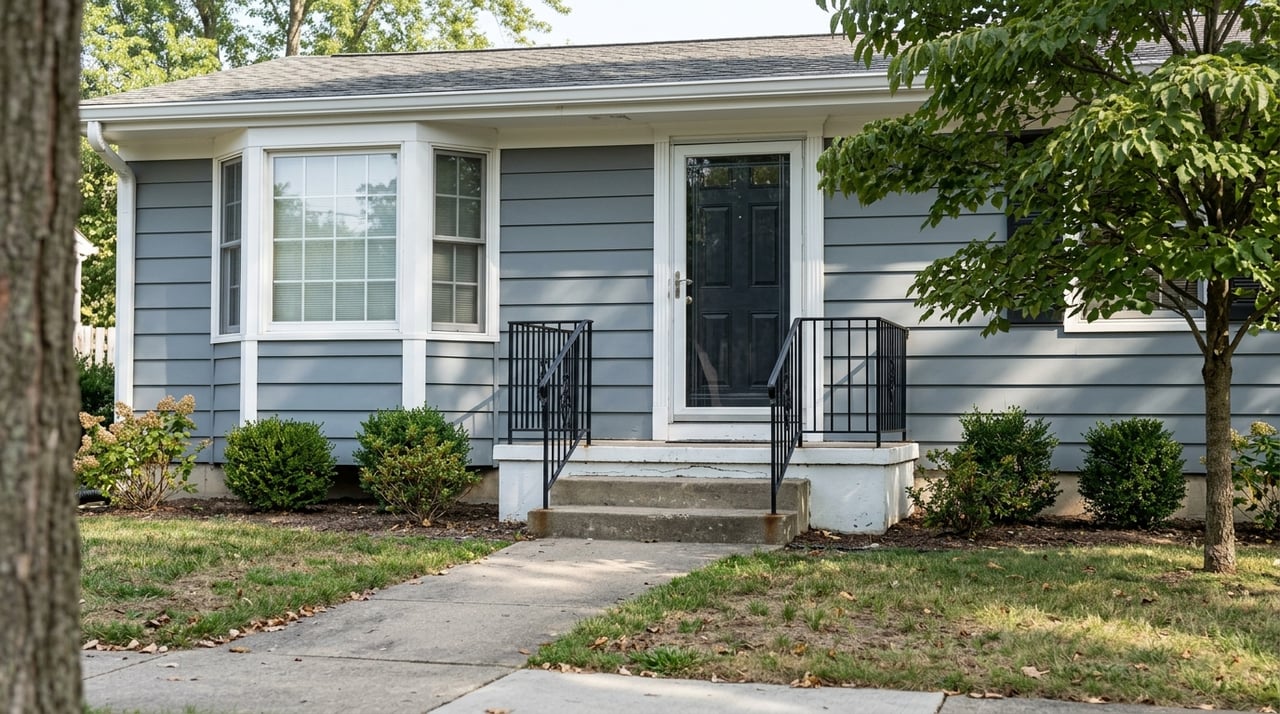
If you have inherited a home in Needham, you may be asking one big question first: what are we supposed to do now? Between probate, family decisions, taxes, repairs, and the pressure of carrying costs, the process can feel overwhelming fast. The good news is that you do have options, and once you understand the order of steps, the path becomes much clearer. Let’s dive in.
Start With Probate First
Before you can decide how to sell an inherited home in Needham, you need to confirm whether the property has to go through probate. In Massachusetts, probate is the court process used to transfer property after death, but it is not required in every situation.
If the home passes by survivorship or beneficiary designation, it may avoid probate. But if the Needham property was held only in the deceased person’s name, probate is usually required. According to Massachusetts probate guidance, the voluntary administration shortcut only applies when an estate consists entirely of personal property worth $25,000 or less, so a house usually means some form of probate is needed.
Massachusetts has both informal and formal probate. Informal probate is generally more streamlined, while formal probate is more likely when there are disputes, unclear heirs, or other issues the court needs to resolve. For Needham properties, the estate is typically handled through the Norfolk Probate and Family Court in Canton.
Confirm Who Has Authority to Sell
One of the most common inherited-home issues is assuming any heir can sign the paperwork. In most cases, that is not how it works. The person with legal authority is usually the personal representative of the estate.
Under Massachusetts law, a personal representative can manage estate assets, but selling real estate often requires specific authority. If the will gives the personal representative a power of sale, that may be enough. If there is no will, or the will does not include that authority, a court-issued license to sell may still be required under Massachusetts law.
This matters because buyers, closing attorneys, and title examiners typically want proof that the seller has authority to act before closing can move forward. If that paperwork is incomplete, a sale can stall even when everyone is ready.
What Can Slow the Closing?
Inherited-home sales in Needham can move quickly once the estate is organized, but several issues can delay the timeline. Probate paperwork is one. Estate tax documentation can be another.
Massachusetts estate tax may apply if the gross estate plus adjusted taxable gifts exceeds $2 million for deaths on or after January 1, 2023. The estate tax return and payment are due 9 months after death, with an automatic 6-month extension available if at least 80% of the final tax due is paid by the original deadline, according to the Massachusetts estate tax filing rules.
There is also a Massachusetts estate tax lien that automatically arises on Massachusetts real estate at death. If a sale is pending and no closing letter has been issued, the estate may need a Certificate Releasing Massachusetts Estate Lien before closing. That can surprise families who thought they were ready to sell.
Your Main Options for the Home
Once probate authority is clear, you can focus on the real decision: sell on the MLS, sell as-is for cash, or keep the property as a rental. The right answer depends on the home’s condition, your timeline, and how much work the family wants to take on.
Option 1: List on the MLS
A traditional MLS sale is often the best fit when the property is in solid condition or the estate has time to prepare it for the market. This path usually offers the broadest buyer pool and may make sense if your goal is maximum exposure.
That said, a market sale often comes with prep work. The National Association of Realtors notes in its consumer guide to preparing to sell a home that sellers commonly weigh inspections, repairs, and presentation decisions before listing. For an inherited Needham home, that can mean cleanout, minor updates, staging, and multiple showings.
This route can work especially well if the house is already vacant, in livable shape, and the heirs are aligned on taking a little more time.
Option 2: Sell As-Is for Cash
An as-is cash sale can be the simplest path when the home needs major work, is filled with belongings, or the family wants less stress. Instead of fixing issues, scheduling open houses, and negotiating inspection requests, you focus on speed and certainty.
This option often appeals to heirs who live out of town, families handling an emotional transition, or sellers who do not want to invest more money into the property. You may trade some top-end price potential for convenience, but for many inherited properties, that tradeoff is worth it.
For a brand like Edward Gaeta, this is an important advantage. You can choose between a full MLS strategy and a faster as-is path based on what fits your situation, rather than being pushed into one approach.
Option 3: Keep It as a Rental
Sometimes the family decides not to sell right away. If you keep the Needham home as a rental, you may create income, but you also take on landlord responsibilities and ongoing expenses.
According to the Massachusetts landlord responsibilities guide, landlords must provide a safe, clean unit that complies with the Massachusetts Sanitary Code. If the property was built before 1978, the Massachusetts Lead Law also requires lead notifications to buyers and tenants, and lead hazards must be removed or controlled when a child under 6 lives in the home.
You also need to account for holding costs. Needham uses a split tax rate, and the FY2026 residential tax rate is $10.83 per $1,000 of assessed value, with bills also reflecting a 2.0% Community Preservation Act surcharge, according to the Town of Needham property tax page. If the home sits vacant or underperforms as a rental, those costs add up month after month.
How Taxes Affect an Inherited Sale
Taxes are one reason inherited-home sales should be planned carefully. The tax treatment is often different from a standard sale of a home you bought yourself.
For federal income tax purposes, inherited property usually receives a step-up in basis. The IRS states in Publication 559 that the basis of inherited property is generally the fair market value on the date of death, and any later gain or loss is generally treated as long-term.
That step-up can significantly reduce taxable gain if the property is sold soon after inheritance. In Massachusetts, long-term capital gains are taxed at 5%, while short-term gains are taxed at 8.5%, with an additional 4% surtax applying to taxable income above the annual threshold under the state’s tax rate guidance.
If the estate or an heir is not a Massachusetts resident and the property sells for $1 million or more, state withholding rules may apply. The Massachusetts nonresident withholding guidance explains that each seller must complete a Transferor’s Certification before closing, and the withholding agent may need to withhold an amount tied to the expected tax on the gain.
Needham-Specific Closing Details
Even though probate and tax issues often take center stage, local closing logistics matter too. Once the sale is ready to close, the deed and related land records are recorded through the Norfolk County Registry of Deeds, which handles Norfolk County property records.
Massachusetts also imposes a deeds excise on real estate transfers. According to the state’s deeds excise guidance, this tax is self-assessed and paid by the person signing the deed, making it part of the overall closing-cost picture.
These details may sound small compared with probate, but they still affect timing, paperwork, and the final net proceeds.
A Simple Roadmap for Needham Heirs
If you want to make this process more manageable, it helps to follow the steps in order. Trying to skip ahead often creates delays later.
A practical roadmap usually looks like this:
- Confirm how the property title was held.
- Determine whether probate is required.
- Open the appropriate Massachusetts probate process.
- Confirm who has legal authority to sell.
- Address any estate tax return or estate lien issues.
- Decide whether the best path is MLS, as-is cash, or rental.
- Prepare for closing and recording.
That sequence reflects the legal and practical reality of inherited-property sales in Massachusetts. It also helps reduce unnecessary stress at a time when you may already be dealing with a lot.
Choosing the Best Option for Your Situation
There is no one-size-fits-all answer when selling an inherited home in Needham. Some families want to maximize price and are willing to clean out, repair, and list the property. Others want a faster, simpler exit with fewer moving parts.
The key is understanding that you do not have to force the wrong strategy. If the home is market-ready, an MLS sale may be the right move. If the property needs a lot of work or the estate needs certainty, an as-is sale may be the better fit. If the family wants to hold the property, rental ownership comes with real responsibilities and carrying costs that should be weighed carefully.
If you are sorting through an inherited home in Needham and want help comparing your options, Edward Gaeta can help you evaluate both a full-market sale and a fast as-is solution so you can choose the path that fits your timeline, the property’s condition, and your family’s goals.
FAQs
Does an inherited home in Needham always have to go through probate?
- No. If the property passes by survivorship or beneficiary designation, it may avoid probate, but a home held only in the deceased person’s name usually requires some form of probate in Massachusetts.
Who can sign to sell an inherited house in Needham?
- Usually the personal representative of the estate signs, but they may need authority under the will or a court-issued license to sell, depending on the circumstances.
What is the best way to sell an inherited home in Needham that needs repairs?
- If the house needs substantial work or the family wants less stress, an as-is cash sale may be the simplest option, while a traditional MLS sale may make more sense if the estate has time and budget to prepare the home.
Are there extra taxes when selling inherited property in Needham?
- There can be. Inherited property usually gets a step-up in basis for federal tax purposes, but capital gains tax, estate tax issues, deeds excise, or nonresident withholding rules may still apply depending on the situation.
What costs matter if heirs keep an inherited Needham home as a rental?
- You should account for property taxes, the Community Preservation Act surcharge, maintenance, code compliance, landlord responsibilities, and possible lead law requirements for older homes.
Where are Needham inherited-home sale documents recorded?
- For Norfolk County property, final deed and land records are typically recorded with the Norfolk County Registry of Deeds in Dedham.
